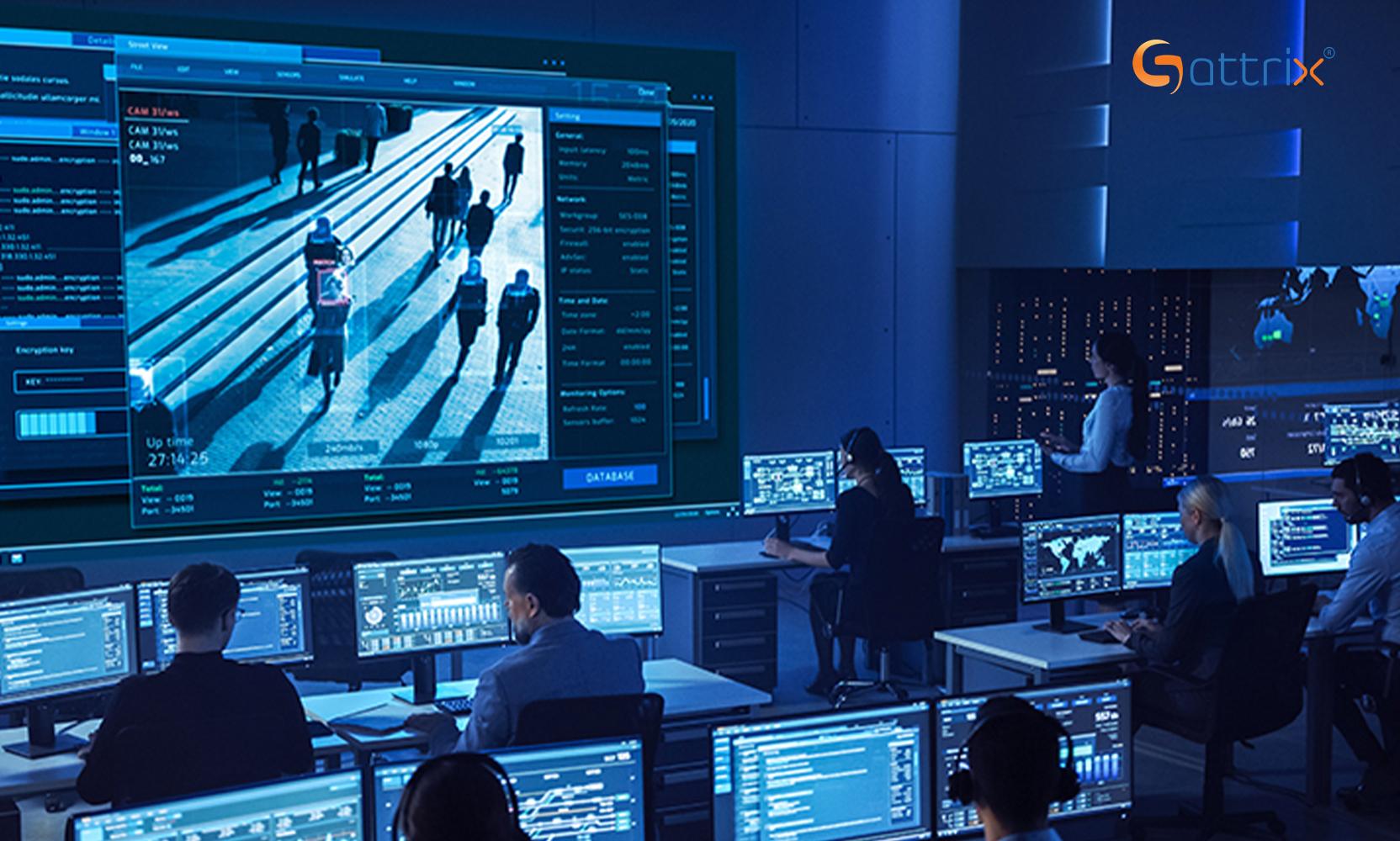
Cybersecurity is no longer just about installing firewalls and antivirus software. Today, businesses face complex, evolving threats every day. And keeping up with them requires more than reactive measures. This is where a Security Operations Center (SOC) comes into play. But to understand how a SOC really protects an organization, you need to look at its roles, components, and architecture.
Think of a SOC like a city’s control room. It has people, processes, and technology working together to monitor, detect, and respond to threats 24/7. Let’s explore what makes a SOC tick.
SOC Roles – Who Does What
A SOC is nothing without the people who run it. Each role has a clear responsibility, but they all work together to keep threats under control.
- SOC Analysts – They are the first line of defense. Level 1 analysts monitor alerts, triage them, and flag anything suspicious. Level 2 analysts investigate further, looking at patterns and correlations. Level 3 analysts focus on complex incidents, hunting advanced threats, and guiding response strategies.
- SOC Engineers – They design, implement, and maintain the technical tools in the SOC. SIEM systems, intrusion detection tools, and automation platforms are their domain.
- Threat Hunters – Instead of waiting for alerts, they proactively search for hidden threats using intelligence and analytics. They dig into unusual patterns and behaviors before attacks become critical.
- SOC Managers – They coordinate the team, manage escalations, and ensure the SOC follows workflows efficiently. They also report insights to leadership.
- Incident Response Specialists – When a threat is detected, they take charge of containment, eradication, and recovery. They make sure the business can keep running while the threat is neutralized.
Each role is like a cog in a machine. Missing any one of them can slow down the SOC or leave gaps in security coverage.
SOC Components – The Building Blocks
A SOC relies on multiple components to function smoothly. These are the tools and systems that turn raw data into actionable intelligence.
- Security Information and Event Management (SIEM) – This is the central hub. It collects data from all systems, normalizes it, and generates alerts for unusual activities.
- Threat Intelligence Platforms (TIP) – TIPs provide information about known threats, attackers, and attack techniques. They help SOC teams anticipate attacks.
- Endpoint Detection and Response (EDR) – These tools monitor individual devices, detect malicious behavior, and sometimes automatically respond to threats.
- Intrusion Detection and Prevention Systems (IDS/IPS) – They track network traffic for suspicious activity and block attacks in real time.
- Automation and Orchestration Tools – These reduce manual work by automating repetitive tasks like alert triage or initial containment, letting analysts focus on complex problems.
- Communication Systems – A SOC needs tools for collaboration, incident reporting, and escalation. Without clear communication, even the best tools and people cannot respond effectively.
SOC Architecture – How Everything Fits Together
SOC architecture is like the blueprint of how these components work together. While every SOC is unique, most follow a layered structure:
- Data Layer – This is where all the logs, telemetry, and alerts come together. It is the foundation of the SOC.
- Analytics Layer – Here, tools like SIEM, TIP, and EDR analyze data, detect patterns, and prioritize alerts for human review.
- Operations Layer – This is the human layer. Analysts, engineers, threat hunters, and incident responders take the insights from the analytics layer and act on them.
- Management Layer – SOC managers oversee operations, track KPIs, handle escalations, and ensure workflows are followed.
- Integration Layer – This connects the SOC to business systems, cloud environments, and external intelligence sources, ensuring the SOC has complete visibility across the organization.
In simple words, architecture ensures that data flows efficiently, threats are detected fast, and responses are coordinated smoothly.
Why a Well-Designed SOC Matters
Without clear roles, robust components, and structured architecture, a SOC can struggle. Alerts may be missed, responses delayed, and threats may slip through unnoticed. A strong SOC reduces response times, improves accuracy, and provides leadership with actionable insights about the organization’s security posture.
Build Smarter SOCs with Sattrix
At Sattrix, our SOCs are more than monitoring centers. They are strategic security hubs designed to stay ahead of threats and support business growth. Key features include:
- Advanced Automation – Speeds up alert handling and reduces manual work
- AI-Driven Analytics – Detects anomalies and predicts potential threats
- Global Threat Intelligence – Insights from USA, India, MEA, Spain, and Malaysia
- Expert SOC Teams – Analysts and threat hunters respond quickly and effectively
- Proactive Detection & Fast Response – Identifies issues early and resolves them quickly
- Integrated Approach – Aligns people, processes, and technology for smarter security
With Sattrix, SOCs do more than protect. They strengthen resilience, enable confident decisions, and make security a business advantage.
Final Thoughts
A SOC is more than a set of tools or a team watching screens. It is the central nervous system of cybersecurity, connecting people, processes, and technology to detect, respond, and adapt to threats in real time. Understanding SOC roles, components, and architecture shows why every layer, every analyst, and every system matters.
Choosing the right SOC partner makes all the difference. With global expertise, advanced technology, and proactive strategies, Sattrix helps organizations not only defend against cyber threats but also use security as a source of confidence and growth. A well-designed SOC protects, informs, and strengthens organizations for the challenges of today and the opportunities of tomorrow.
FAQs
1. What is a SOC?
A Security Operations Center (SOC) is a central hub where experts monitor, detect, and respond to cyber threats 24/7.
2. Who works in a SOC?
SOC teams include analysts, engineers, threat hunters, managers, and incident responders, all working together to protect systems.
3. What are the main SOC components?
Key components include SIEM, threat intelligence platforms, EDR, IDS/IPS, automation tools, and communication systems.
4. How does SOC architecture work?
SOC architecture is layered: data collection, analytics, human operations, management, and integration, ensuring threats are detected and handled efficiently.
5. Why choose Sattrix for SOC services?
Sattrix combines global threat intelligence, advanced analytics, automation, and expert teams across multiple regions to provide proactive, fast, and reliable cybersecurity.