

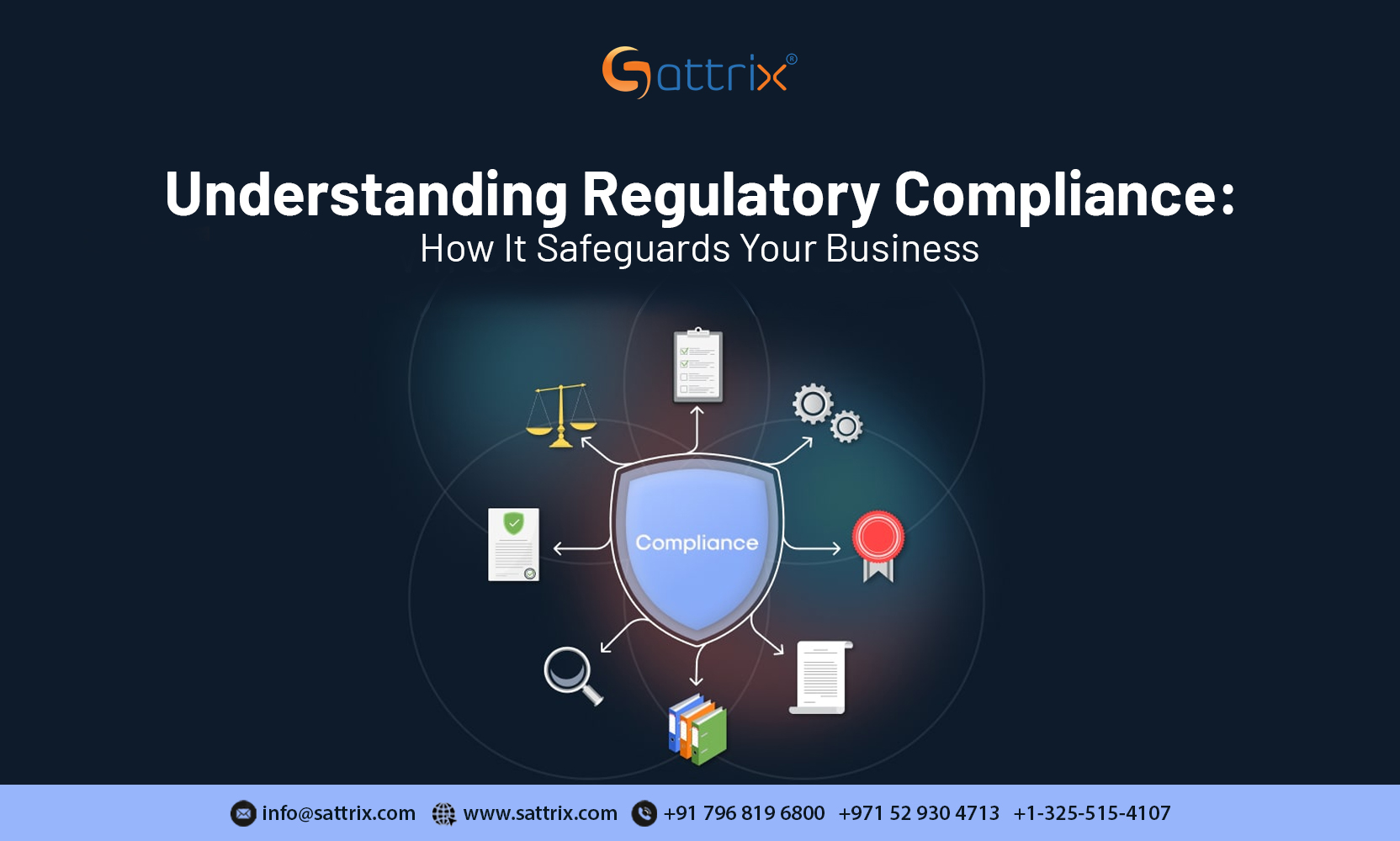
Regulatory compliance has become one of the most important business priorities in Malaysia. As digital adoption accelerates, companies now operate in a more interconnected, data driven and highly regulated environment. Cyber threats, privacy concerns, financial fraud, and sector specific risks have pushed regulators to introduce stronger rules and clearer accountability frameworks.
For Malaysian organizations, Compliance is no longer a box to tick. It is a strategic capability that determines whether a business can operate securely, scale responsibly, and maintain trust in an increasingly competitive market. Companies that ignore it risk penalties, operational disruption, reputational loss, and in severe cases, regulatory sanctions that can halt business growth entirely.
This blog explores what Compliance truly means today, why Malaysian businesses need to treat it as a core function, and how a structured approach can reduce risks and build long term resilience.
Malaysia’s digital landscape is expanding rapidly. Cloud adoption, e commerce, fintech, manufacturing automation, and public sector digital transformation have made data the backbone of every industry. When data grows, risks grow with it. This shift has made compliance essential for several reasons:
With the Personal Data Protection Act (PDPA) and industry specific privacy mandates, businesses must ensure responsible data collection, secure storage, and controlled access. Failing to do so can lead to heavy fines and a long term loss of customer trust.
As cyber attacks increase, regulators now expect companies to maintain strong internal controls, continuous monitoring, and defensible security practices. Compliance is the only way to demonstrate that the organization is following approved standards.
Industries such as BFSI, telecom, healthcare, manufacturing, and government follow strict guidelines. These include cybersecurity requirements, audit controls, reporting obligations, and risk management frameworks.
Partners, investors, and customers prefer working with organizations that follow compliance standards. It signals maturity, accountability, and stability.
Regulated controls such as backups, incident response, disaster recovery, and risk assessments improve resilience during cyber attacks or system failures.
Compliance is often misunderstood as policy documentation or passing periodic audits. In reality, it is a holistic ecosystem. A strong compliance environment includes:
These outline acceptable usage, cybersecurity standards, data classification rules, and operational procedures.
From onboarding employees to managing third party vendors, every activity must follow a structured workflow.
Technical, administrative, and physical controls provide measurable checkpoints that are routinely evaluated.
Compliance is not static. It requires constant oversight, real time monitoring, and timely remediation of gaps.
Every organization should be prepared to demonstrate compliance evidence at any time. This includes logs, reports, risk assessments, and technical configurations.
Employees must understand their responsibilities, the company policies, and the importance of compliance.
Many organizations in Malaysia struggle with compliance due to:
Compliance requires deep understanding of cybersecurity, risk management, privacy laws, and governance principles. Many companies do not have in house expertise.
New policies and frameworks emerge frequently, making it hard for businesses to stay updated.
Hybrid networks, cloud adoption, IoT devices, and third party integrations introduce new vulnerabilities and compliance gaps.
Most businesses do not maintain updated procedures, risk registers, and compliance evidence, which leads to audit difficulties.
Manual tracking of compliance controls is time consuming and prone to errors. Automation is often missing.
Compliance and cybersecurity are deeply connected. Effective Compliance improves security in several ways:
Organizations become more aware of vulnerabilities, threats, and potential business impact.
Compliance frameworks require technical controls such as access management, encryption, logging, and network segmentation.
Requirements for incident reporting and response plans help organizations recover faster from cyber attacks.
Vendors are assessed more thoroughly to reduce supply chain risks.
Leadership gains visibility into risks, investments, and security performance.
Sattrix delivers end to end Compliance support designed for modern Malaysian enterprises. We combine deep regulatory understanding, cybersecurity expertise, and practical implementation to help organizations build strong and sustainable Compliance environments.
Our Compliance services include:
We identify which regulations apply to your industry and evaluate gaps against PDPA, ISO standards, and sector guidelines.
We create customized policies, procedures, risk management models, and compliance workflows that fit your business.
We help deploy the technical and administrative controls needed to achieve compliance and maintain security maturity.
Sattrix ensures your documentation, evidence, and reporting processes are always audit ready.
We strengthen the human side of compliance through continuous employee awareness.
Our experts provide continuous guidance and monitoring, ensuring that you stay aligned with evolving regulatory requirements.
With Sattrix, compliance becomes a continuous, structured, and efficient business function rather than a last minute audit exercise.
Compliance is more than regulatory obligation. It is a long term strategy that strengthens cybersecurity, builds trust, and enables sustainable business growth in Malaysia’s rapidly evolving digital landscape. Organizations that take a proactive approach are better equipped to handle emerging threats, meet regulatory expectations, and safeguard their operations.
Sattrix helps businesses transform Compliance into a competitive advantage through structured governance, clear processes, advanced controls, and continuous improvement. With the right framework in place, Compliance becomes not only achievable but also a strong enabler of resilient business performance.
It is the process of following laws, regulations, and internal controls to operate securely and responsibly.
It protects data, reduces cyber risks, ensures regulatory alignment, and builds customer trust.
PDPA, ISO 27001, PCI DSS, and sector specific cybersecurity guidelines.
Yes. It strengthens controls, monitoring, and incident response.
Through regulatory mapping, governance frameworks, control implementation, and audit readiness.


